February 11, 2026
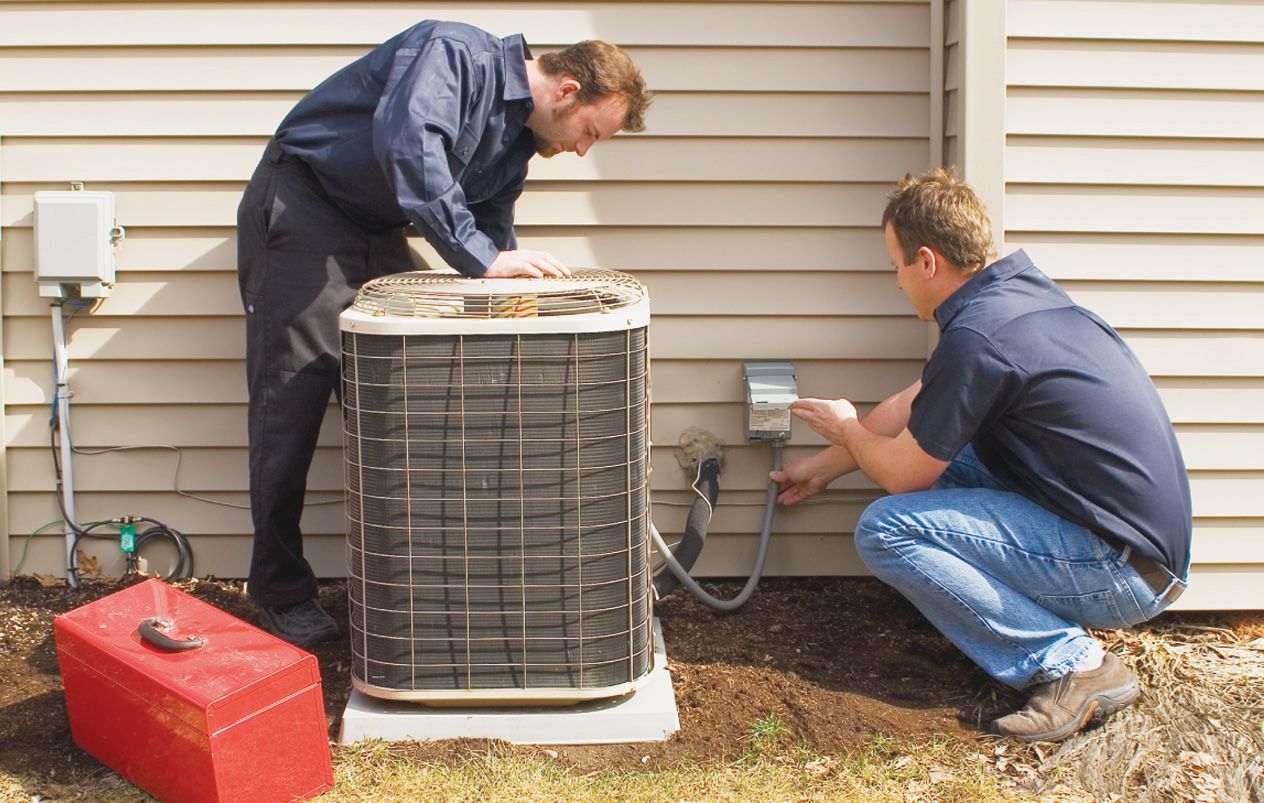
An HVAC system is essential for maintaining comfort, efficiency, and indoor air quality, but even well-maintained units don’t last forever. Over time, aging systems can become less reliable, more expensive to operate, and less effective at regulating temperature and air quality. Recognizing the early warning signs of an outdated HVAC system can help property owners avoid unexpected breakdowns, rising energy costs, and declining comfort. The following indicators highlight when it may be time to consider working with an HVAC company and upgrade to a newer, more efficient system.
1. Increasing Energy Bills
The first sign that your HVAC system might need attention from an HVAC company is an increase in energy bills. When energy bills rise without a corresponding increase in usage, it could mean that your HVAC system is working harder to maintain a comfortable environment. It's important to regularly review your energy consumption patterns, as changes may indicate that your system is becoming less efficient over time. Such inefficiency not only impacts your wallet but also contributes to unnecessary energy waste. A thorough evaluation of your bills over the past few years can often reveal a steady upward trend, suggesting the need for a more efficient system.
Comparing your current usage with previous years can be enlightening. An older system typically requires more energy to function at the same level as it did when it was new. Even with regular maintenance, systems naturally lose some level of efficiency over time. According to This Old House, HVAC systems typically last between 15 and 20 years with proper maintenance, which means that performance will decline within that timeframe. Replacement of an outdated system with an energy-efficient model can result in significant cost savings.
It's beneficial to consult with energy auditors who can provide a detailed analysis of your current system’s efficiency. They can identify how much energy your system uses compared to newer models and calculate the potential savings from an upgrade. Evaluating energy efficiency ratings such as the Seasonal Energy Efficiency Ratio (SEER) can also provide insight. In many cases, upgrading your HVAC system will not only improve efficiency but also enhance environmental sustainability. Energy savings are a clear incentive for upgrading to a modern, more efficient system.
2. Reduced Air Quality
Your HVAC system plays a critical role in maintaining indoor air quality. When a system ages, it may fail to filter air as effectively, resulting in increased dust accumulation in your home or office. If you notice dust forming more quickly than usual, it might be a sign that your system's air filtration is failing. Dust accumulation not only impacts cleanliness but also contributes to respiratory issues for those with allergies and sensitivities. A decrease in air quality is often one of the first indicators that your HVAC system is faltering.
Odors in a building can also indicate a problem with your HVAC system. Unusual or musty smells often mean that there is an issue with moisture or that mold and mildew have started to develop within the system. If odorous air is circulating throughout the space, not only is it unpleasant, but it could also be harmful to health. For these reasons, detecting a consistent smell can be one of the more obvious signs that an HVAC upgrade is needed. Implementing a system with advanced dehumidification and filtration features can greatly improve air quality.
Monitoring allergens and pollutants is essential for those with respiratory sensitivities. The inability of an outdated HVAC system to adequately filter these harmful particles can lead to aggravated symptoms in people with conditions such as asthma. Upgrading to an HVAC system that excels in maintaining humidity and filtering out allergens and pollutants is a wise investment for health and comfort. Proper humidity control and enhanced air filtration systems in modern HVAC configurations significantly improve indoor environmental quality. Ensuring an efficient system can also have notable health benefits for the property’s inhabitants.
3. Inconsistent Temperature Regulation
Aging HVAC systems often struggle with maintaining consistent indoor temperatures. Temperature fluctuations can be uncomfortable and create issues in both residential and commercial settings. If you notice rooms of varying temperatures despite the thermostat settings, it may be a sign that your system’s efficiency has deteriorated. Uneven temperature regulation can be caused by numerous issues, including a failing thermostat or inadequately sized equipment. Addressing these problems with system updates can lead to more consistent comfort quality.
Evaluating your thermostat’s performance is a good starting point when diagnosing temperature inconsistencies. A malfunctioning thermostat can misread or fail to regulate temperatures properly, causing discomfort and inefficient energy use. Consider upgrading to a smart thermostat that offers precise control, learning capabilities, and programmability to maximize comfort and energy efficiency. According to This Old House, HVAC systems are a long-term investment, so integrating a modern thermostat can extend system life and maintain effective performance. Improved temperature regulation is often a beneficial result of upgrading.
Another critical issue linked to inconsistent temperature regulation is the presence of drafts or hot spots within the building. This is often an indication that certain system components are failing to perform as intended, whether it be through blockages or component wear and tear. Having a professional assess these issues is necessary to determine the appropriate actions to take. The incorporation of zoning systems, which allow for targeted heating and cooling, can help mitigate these concerns effectively. Upgrading to equipment that offers zoning capabilities maximizes comfort throughout different areas of a home or building.
4. Frequent Repairs and Maintenance
As your HVAC system ages, you may notice a rise in the frequency of repairs and maintenance. Even well-maintained systems tend to require more attention as they near the end of their lifecycle due to wear and tear. Reviewing the repair history of your system can provide a comprehensive picture of its current state of health. If you find that you are frequently calling technicians for repairs, it might be more cost-effective to invest in a replacement system. Constant repairs and the associated costs can add up quickly, eclipsing the initial investment needed for a new, more efficient system.
When evaluating the financial maintenance of your HVAC system, it is critical to compare repair costs with potential replacement expenses. If repair costs are mounting and approaching the value of a new system, it makes economic sense to consider an upgrade. Modern HVAC systems offer advances that not only make them more efficient but also lengthen their operational life. Calculating repair versus replacement costs provides a clearer justification for a new investment.
5. Unusual Sounds and Smells
Unusual sounds emanating from an HVAC system are often early indicators of potential problems. These can range from banging, clanking, or squealing noises, each signaling different types of issues that necessitate attention. Regular HVAC operation should be relatively quiet; thus, any persistent sounds typically suggest mechanical malfunctions or wear. Components such as bearings, motors, and belts may deteriorate over time, causing these audible disturbances. Ignoring these sounds can escalate minor issues into major system failures requiring more extensive repairs or replacement.
Mechanically related sounds, if allowed to persist, can turn into significant concerns with severe operational repercussions. Recognizing the manifestation of such noises early on can help in mitigating further breakdowns that can severely affect system efficiency. Promptly addressing these sounds with a professional inspection is crucial. Additionally, operators should stay vigilant for signs of potential gas leaks, which present not only mechanical hazards but also serious safety risks to inhabitants. Audible and olfactory indicators both warrant immediate professional evaluation to ensure safety and functionality.
Summarizing the indicators of an outdated HVAC system, it becomes clear that monitoring efficiency involves observing fluctuating energy bills, air quality issues, inconsistent temperatures, frequent breakdowns, and unfamiliar noises or smells. Through the careful evaluation of these factors, combined with an understanding of the potential benefits offered by modern systems, decisive action towards working with an
HVAC company and upgrading can significantly enhance living or working environments. Investing in a modern system is not merely about improving immediate comfort; it's a forward-looking decision that embodies energy efficiency, sustainability, and long-term savings. Proactively upgrading systems to align with technological advancements is an essential move toward maintaining comfort and reducing environmental impact over time. For an HVAC company you can count on, contact Long Heating & Air today.