September 11, 2026
Across the country, weather has gotten more unpredictable, bringing intense heatwaves, sudden temperature spikes, and harsh summer storms. While most people spend these extreme weather days indoors staying comfortable, cooling systems bear the heavy load of keeping temperatures manageable. When temperatures skyrocket or intense storms roll through, cooling units operate under maximum stress for extended periods. This continuous workload creates severe strain on delicate internal components, often resulting in unexpected system breakdowns right when you need cool air the most. Understanding how extreme climate conditions affect cooling performance helps homeowners prepare for sudden issues and maintain continuous indoor caomfort throughout every season.
Intense Heat Waves Overwork Essential Cooling Components
When high temperatures persist over several consecutive days, cooling systems run non-stop to keep indoor spaces at a pleasant temperature. This constant strain forces internal parts to work well past their usual operating capacity, causing significant mechanical wear. Motors, fans, and compressors generate high amounts of internal heat while attempting to cool the home, which accelerates component degradation. Extended run times also prevent electrical circuits from shedding excess thermal build-up, placing extra strain on sensitive control boards. Without brief periods to rest and cool down, critical parts can fail unexpectedly, leaving households in urgent need of prompt AC repairs to restore balanced cooling.
Frequent Power Surges and Electrical Strain Damage Internal Wiring
Severe summer storms and heavy electrical grid demands frequently trigger power surges and unexpected brownouts. These sudden voltage fluctuations send intense electrical spikes directly through home cooling circuits, which can scorch delicate wiring, blow fuses, or ruin vital electrical relays. According to HomeGuide, an HVAC capacitor stores energy to reliably run system motors for 10 to 20 years, though frequent power surges or extreme weather can shorten its lifespan. Repeated power drops also force sensitive electronic control boards to reboot unexpectedly under full load, creating severe voltage stress across internal relays. When these electrical components fail, the entire system stops functioning immediately, requiring professional AC repairs to replace damaged parts and restore safe electrical connections.
High Humidity Levels Overwhelm System Drainage Solutions
Extreme weather often brings elevated humidity alongside high temperatures, forcing cooling units to pull massive amounts of moisture from indoor air. Moisture collects rapidly on indoor coils and flows down into condensate drain pans, where high volumes can cause unexpected overflows if the drain line experiences any buildup. Continuous dampness inside the unit can also foster mold growth and biological slime that quickly blocks narrow drain channels. Excessive water accumulation around the unit can trip safety switches, shut down cooling operations, or cause hidden water damage. Addressing these moisture problems quickly requires skilled AC repairs to clear drainage channels and ensure proper water flow during humid spells.
Outdoor Debris and Wind Restrict Vital System Airflow
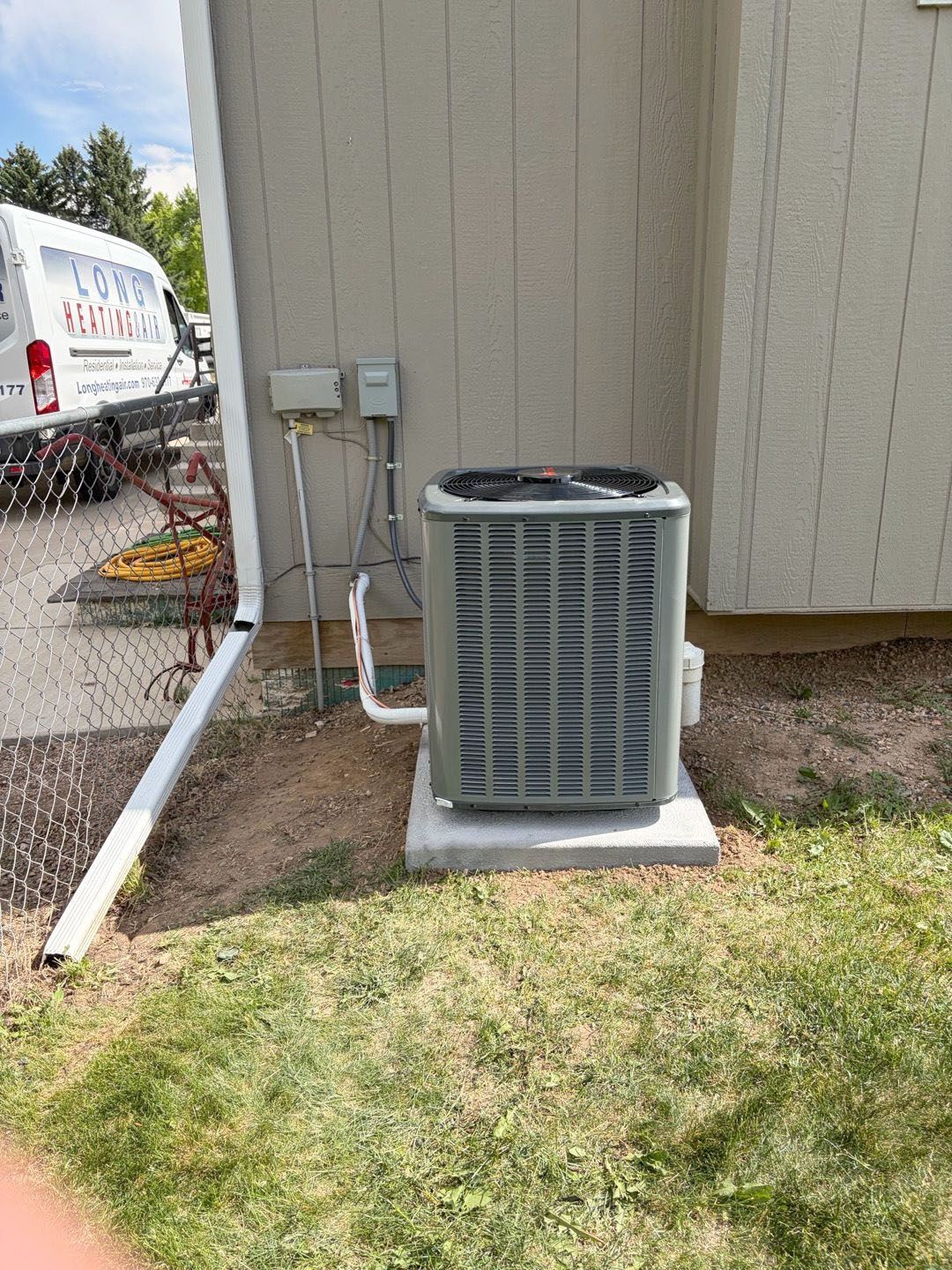
High winds, severe thunderstorms, and sudden hail toss leaves, small twigs, lawn dirt, and heavy debris against outdoor compressor units. When grass clippings and fallen leaves cling to exterior aluminum fins, airflow through the condensing coil becomes severely restricted. Accumulated dirt and flying grit can also wedge deeply between thin coil layers, forming an insulating barrier that blocks efficient ventilation. Physical impacts from larger windblown debris often bend delicate aluminum fins out of alignment, further compounding airflow resistance across the condenser assembly. Without proper airflow, heat trapped inside the refrigerant cannot dissipate properly into the outside air. This localized heat retention causes internal system pressure to climb rapidly, leading to mechanical failure that demands timely AC repairs to clear obstructions and realign bent cooling fins.
Freezing Coils Disrupt Normal Refrigerant Cycles
Extreme weather does not always mean scorching heat; sudden cold snaps during transitional spring or autumn seasons also present significant operational challenges. Running a cooling unit when outside temperatures drop below normal operating thresholds can lower pressure inside the evaporator coil, causing residual condensation on the coils to freeze solid. Ice accumulation insulates the coils, stopping the heat transfer process completely and forcing the compressor to work against abnormal pressure levels. Professional AC repairs are necessary to correct system pressures, inspect refrigerant levels, and ensure proper thermodynamic balance.
Refrigerant Leaks Develop Under High Operating Pressures
When weather conditions demand maximum cooling output, internal refrigerant pressure reaches maximum operational limits. Copper lines, connection joints, and valve seals experience continuous thermal expansion and contraction as temperatures fluctuate wildly between day and night. Over time, this constant mechanical movement weakens joints and creates microscopic cracks along copper lines, letting refrigerant escape into the atmosphere. Low refrigerant levels cause cooling capacity to drop sharply while increasing mechanical wear, making immediate AC repairs necessary to seal leaks and recharge the system.
Sustained Vibrations Cause Mechanical Parts to Loosen
Periods of continuous, heavy operation generate ongoing mechanical vibrations throughout the entire cooling cabinet. Over extended runs during peak weather events, these vibrations gradually loosen mounting bolts, motor brackets, fan blades, and internal tubing connections. Loose components create loud rattling noises, cause excessive wear on moving parts, and can even puncture adjacent lines if left unaddressed. Timely AC repairs fix these loose components, replace worn hardware, and ensure all internal mechanisms remain securely aligned during demanding operational cycles.
Thermostat Communication Errors Lead to System Cycles
Extreme temperature differences between indoor living spaces and outdoor environments put extra demands on digital thermostats and control wiring. Rapid temperature swings can cause control sensors to misread ambient air conditions, sending confusing operational signals back to the main unit. This results in rapid cycling, where the compressor turns on and off repeatedly every few minutes. Rapid cycling severely stresses electrical relays and shortens overall system life, requiring detailed AC repairs to recalibrate controls, update wiring, and restore proper operation cycles.
Neglected Wear Accelerates Failure During Peak Demand
Minor wear and tear that might go unnoticed during mild spring months quickly escalates into full system failure when extreme weather hits. Small dust buildups, slightly worn belts, and aging electrical relays may continue operating under light loads, but they fail rapidly under peak summer demands. When high temperatures force continuous operation, these weak links break down in rapid succession. Addressing these compound failures calls for thorough AC repairs to pinpoint every affected part and return the cooling system to stable working order.
Corrosion Accelerates in Coastal and High-Moisture Environments
Regions prone to tropical storms, high coastal salt spray, or intense seasonal rainstorms present a harsh environment for exterior cooling units. Moisture and airborne salt particles settle on metal casings, fan blades, and delicate copper tubing, accelerating rust and chemical corrosion. Corroded metals become brittle and fail to transfer heat efficiently, leading to premature structural breakdown and refrigerant leaks. Comprehensive AC repairs help address corrosion damage, clean critical metal surfaces, and preserve system structural integrity against harsh environmental elements.
Extreme weather events test the limits of every cooling system, frequently revealing hidden mechanical weaknesses and causing sudden component failures. From power surges scorching electrical parts to heavy humidity clogging drain lines, severe climate conditions require prompt attention to maintain a safe, comfortable home environment. When severe weather impacts your cooling unit, address minor signs of strain before they turn into complete system breakdowns. For complete peace of mind, reliable service, and professional cooling solutions tailored to your home, connect with the experienced team at Long Heating & Air today to keep your unit running smoothly through every season.