June 8, 2026
Your HVAC system is one of the most important investments in your home. It keeps your family comfortable through the hottest summers and the coldest winters while maintaining healthy indoor air quality and consistent temperatures. Because heating and cooling equipment operate almost year-round, homeowners naturally want to get as many years as possible from their systems. While many people assume longevity depends solely on the quality of the equipment, the truth is that proper care plays an even bigger role in determining how long an HVAC system will last.
The professional secret to HVAC longevity is surprisingly simple: consistent maintenance and proactive service. Just like a vehicle requires regular oil changes and inspections to perform reliably, heating and cooling equipment needs routine attention to remain efficient and dependable. Working with a trusted HVAC company helps ensure that every component of the system receives the care it needs to prevent unnecessary wear and tear. By focusing on maintenance, airflow, repairs, monitoring, and protection, homeowners can significantly extend the lifespan of their HVAC equipment while reducing energy costs and avoiding unexpected breakdowns.
Scheduling Routine Maintenance
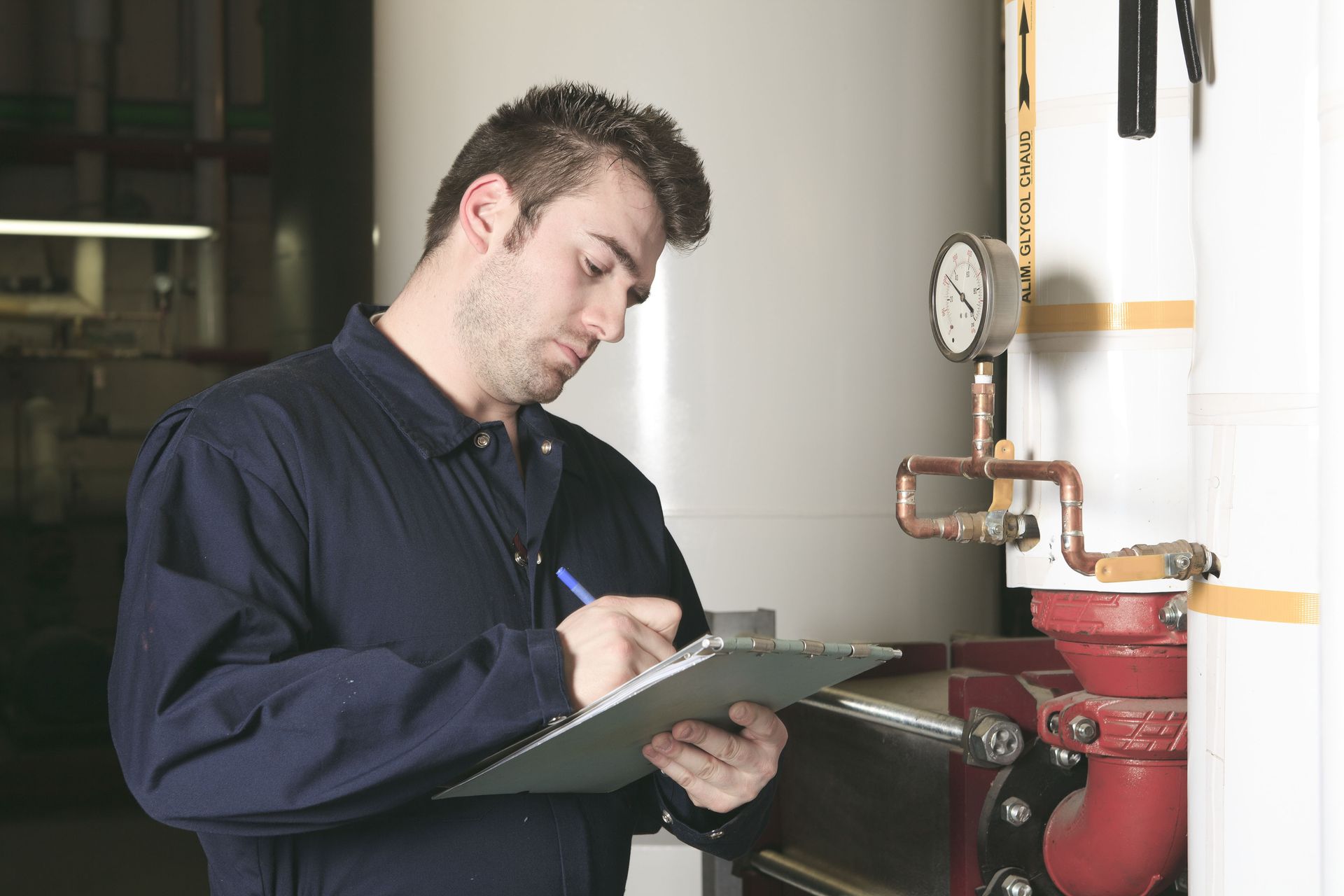
Routine maintenance is the foundation of a long-lasting HVAC system. Over time, dust, dirt, and normal wear can affect performance and place additional strain on important components. During a professional maintenance appointment, technicians inspect electrical connections, clean coils, test safety controls, lubricate moving parts, and verify that the system is operating according to manufacturer specifications. These preventive measures help identify small concerns before they develop into costly repairs.
According to HomeAdvisor, professional HVAC manufacturers generally advise scheduling maintenance annually, while heat pump systems that provide both heating and cooling typically benefit from service twice each year. Following this recommendation can make a substantial difference in system performance and longevity. A qualified HVAC company can establish a maintenance schedule that aligns with your equipment’s needs and ensures that your system is prepared for both heating and cooling seasons.
Replacing Worn Components
No HVAC system is immune to wear and tear. Even when equipment is properly maintained, certain parts naturally deteriorate over time. Components such as capacitors, contactors, belts, bearings, motors, and sensors all experience ongoing use that can eventually reduce their effectiveness. If these worn parts are left unchecked, they can place excessive strain on other areas of the system and lead to more extensive damage.
Professional inspections help identify aging components before they fail completely. Replacing a worn part at the right time is often far less expensive than repairing the damage caused by a major breakdown. An experienced HVAC company understands which components commonly wear out and can recommend replacements that help maintain system efficiency. Taking a proactive approach to repairs not only prevents emergencies but also contributes significantly to extending the overall lifespan of the equipment.
Maintaining Proper Airflow
Airflow is one of the most overlooked factors affecting HVAC longevity. When air cannot move freely through the system, heating and cooling equipment must work harder to achieve the desired temperature. Restricted airflow can result from dirty filters, blocked vents, damaged ductwork, clogged coils, or other issues that reduce efficiency and increase operating stress. Over time, this extra workload can shorten the life of critical components such as the blower motor and compressor.
Maintaining proper airflow starts with regular filter changes and continues with professional inspections of the entire system. Technicians can evaluate ductwork, clean internal components, and identify areas where airflow may be restricted. A knowledgeable HVAC company can also determine whether duct leaks, inadequate insulation, or improper system sizing are contributing to performance problems. Improving airflow allows the system to operate more efficiently and helps prevent unnecessary wear on essential equipment.
Protecting Outdoor Equipment
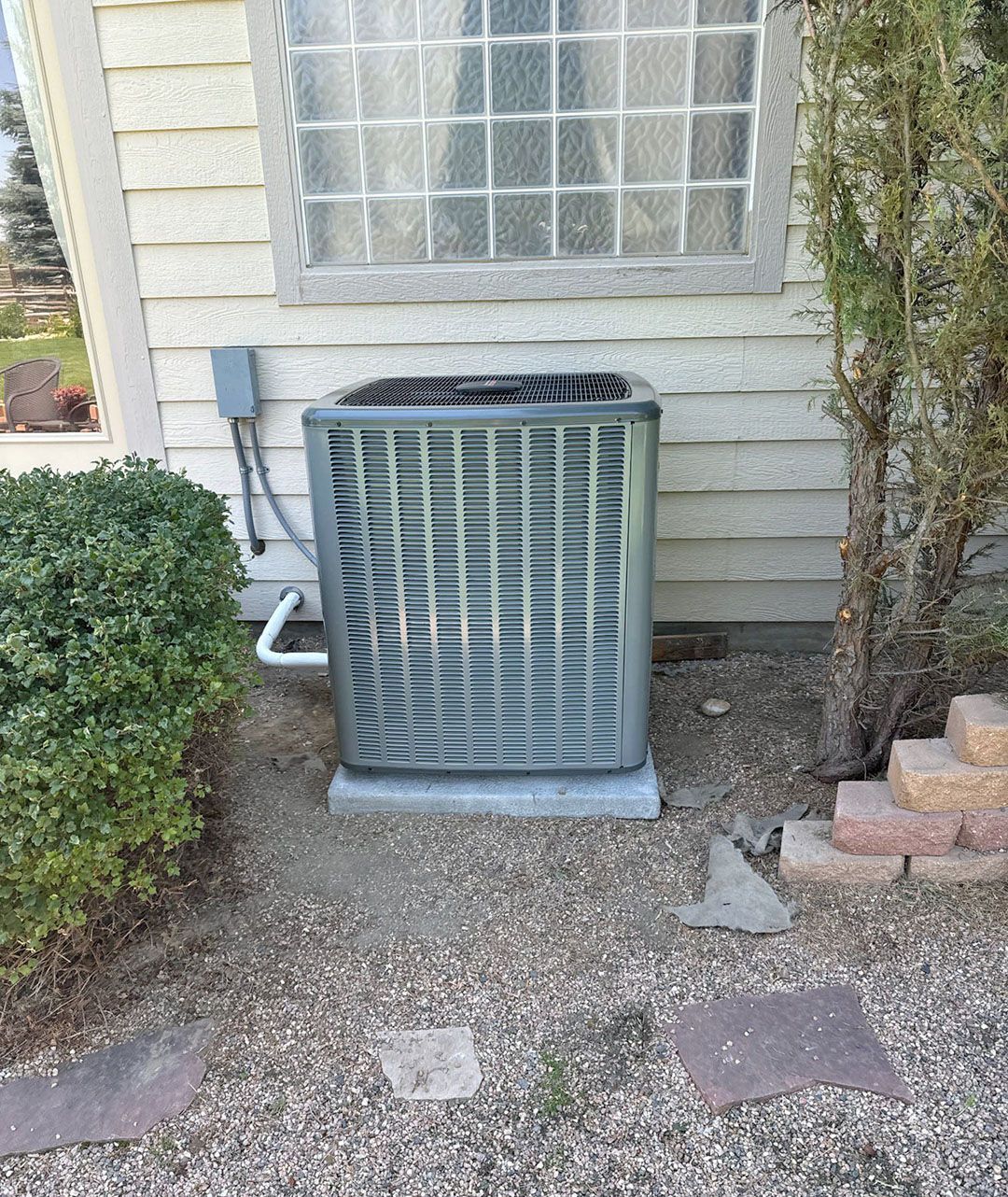
The outdoor portion of an HVAC system is constantly exposed to environmental conditions. Rain, wind, debris, grass clippings, leaves, and changing temperatures can all affect the condition of the condenser unit. When debris accumulates around the equipment, airflow can become restricted, and heat transfer can be reduced. This forces the system to work harder to cool the home and increases stress on the compressor and other important components.
Homeowners can help protect outdoor equipment by keeping the area around the unit clear of vegetation and debris. However, professional care remains essential for maintaining optimal performance. Technicians can safely clean condenser coils, inspect refrigerant levels, check electrical connections, and identify signs of damage that may otherwise go unnoticed. Working with an HVAC company for regular inspections helps ensure that outdoor equipment remains clean, efficient, and protected throughout the year.
Monitoring System Performance
One of the most effective ways to extend HVAC lifespan is to pay close attention to changes in system performance. Many major repairs begin as minor issues that gradually worsen over time. Rising energy bills, inconsistent temperatures, unusual noises, weak airflow, short cycling, and unpleasant odors can all indicate underlying problems that require professional attention. Ignoring these warning signs often leads to larger and more expensive repairs.
Monitoring performance allows homeowners to address concerns early and prevent unnecessary damage. Keeping records of maintenance visits, repairs, and filter changes can also provide valuable information when troubleshooting system issues. A trusted HVAC company can use this history to identify recurring concerns and recommend appropriate solutions. Early detection and prompt action often make the difference between a simple repair and a complete system failure.
Maintaining Consistent System Usage
Many homeowners believe that frequently adjusting thermostat settings will save money and reduce wear on their HVAC system. In reality, dramatic temperature changes can sometimes force equipment to work harder than necessary. Constantly raising and lowering the thermostat may cause longer run times and increased strain on heating and cooling components as the system works to restore comfortable indoor temperatures.
Maintaining relatively consistent temperature settings helps promote efficient operation and reduces unnecessary stress on equipment. Programmable and smart thermostats can automate temperature adjustments while avoiding extreme fluctuations. A professional HVAC company can recommend thermostat settings and energy-saving strategies that support both comfort and long-term system health. Consistent operation allows equipment to function as designed and can contribute to a longer service life.
Investing in Professional Expertise
While homeowners can perform basic tasks such as changing air filters and keeping outdoor units clear of debris, many aspects of HVAC maintenance require specialized knowledge and tools. Professional technicians receive extensive training that enables them to identify hidden issues, perform accurate diagnostics, and make repairs that protect system performance. Attempting complex repairs without proper expertise can often lead to additional damage and increased expenses.
Establishing a long-term relationship with a reputable HVAC company provides ongoing support throughout the life of your system. Professionals can track maintenance history, recommend efficiency improvements, and help homeowners make informed decisions about repairs and upgrades. This level of expertise plays a crucial role in maximizing equipment lifespan while maintaining comfort and reliability year after year.
The secret to HVAC longevity is not a single repair, product, or shortcut. It is the result of consistent professional maintenance, timely repairs, proper airflow, protected equipment, careful monitoring, steady operation, and expert guidance. When these practices become part of a regular care routine, homeowners can enjoy better comfort, lower energy costs, fewer breakdowns, and a significantly longer-lasting HVAC system. If you want to protect your investment and keep your heating and cooling equipment operating at its best, contact Long Heating & Air today.